
Flexible lab automation software for scientific measurement workflows
labMule helps you control laboratory instruments, build automated measurement routines, and keep your experimental data structured and traceable.
From single-device control to complex multi-instrument workflows, labMule brings your setup into one coordinated software environment — modular, adaptable, and built for scientific laboratories.
Built for laboratories where every setup is different
Scientific measurement systems are rarely standard. Instruments from different manufacturers, custom-built components, changing workflows, and evolving experiments are part of everyday research.
labMule is designed for exactly this environment. It gives research teams a flexible automation platform that can grow with their setup — without the need to develop complete control software from scratch.
What labMule helps you do
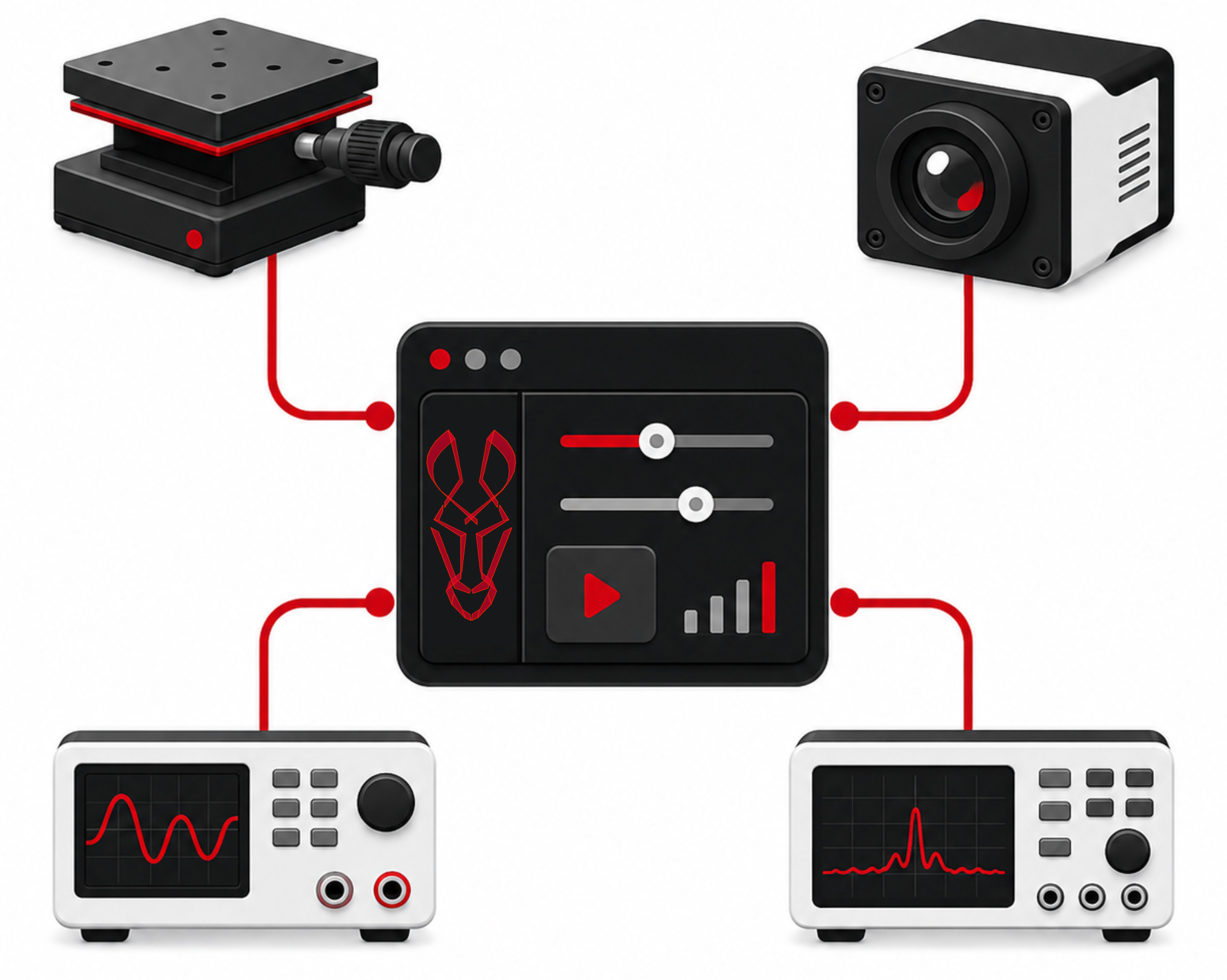
Control your devices
Access instruments from different manufacturers through one central interface. labMule can integrate commercial devices as well as custom-built laboratory hardware.
Typical devices include signal generators, cameras, motorized stages, piezo controllers, spectrometers, magnet power supplies, temperature controllers, lock-in amplifiers, oscilloscopes, and other measurement instruments.
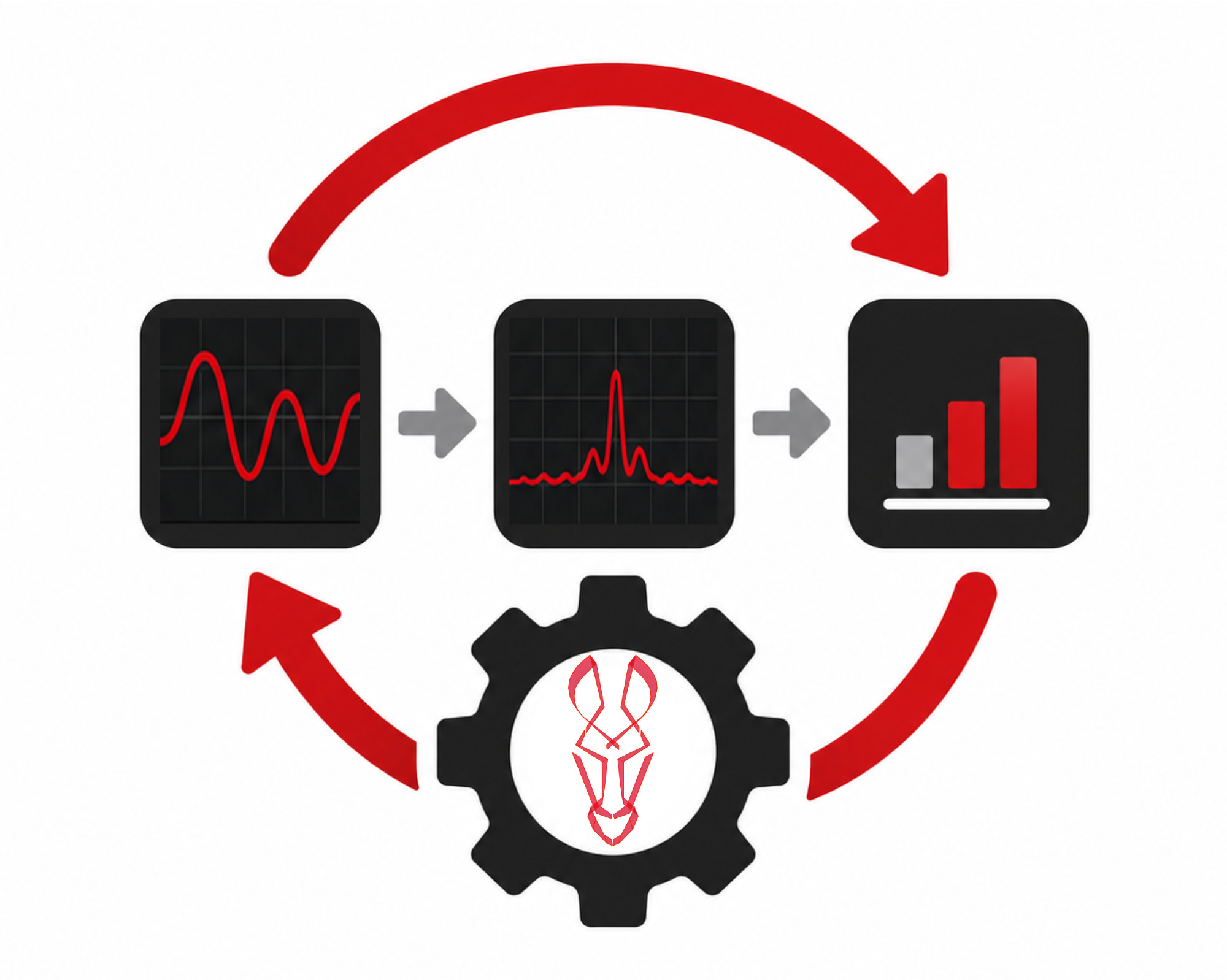
Build automated workflows
Turn individual device commands into repeatable measurement routines. Combine scans, delays, acquisition steps, triggers, parameter changes, and post-processing into structured workflows.
This helps you reduce repetitive manual setup work, avoid copy-paste scripts, and make complex measurements easier to run again.
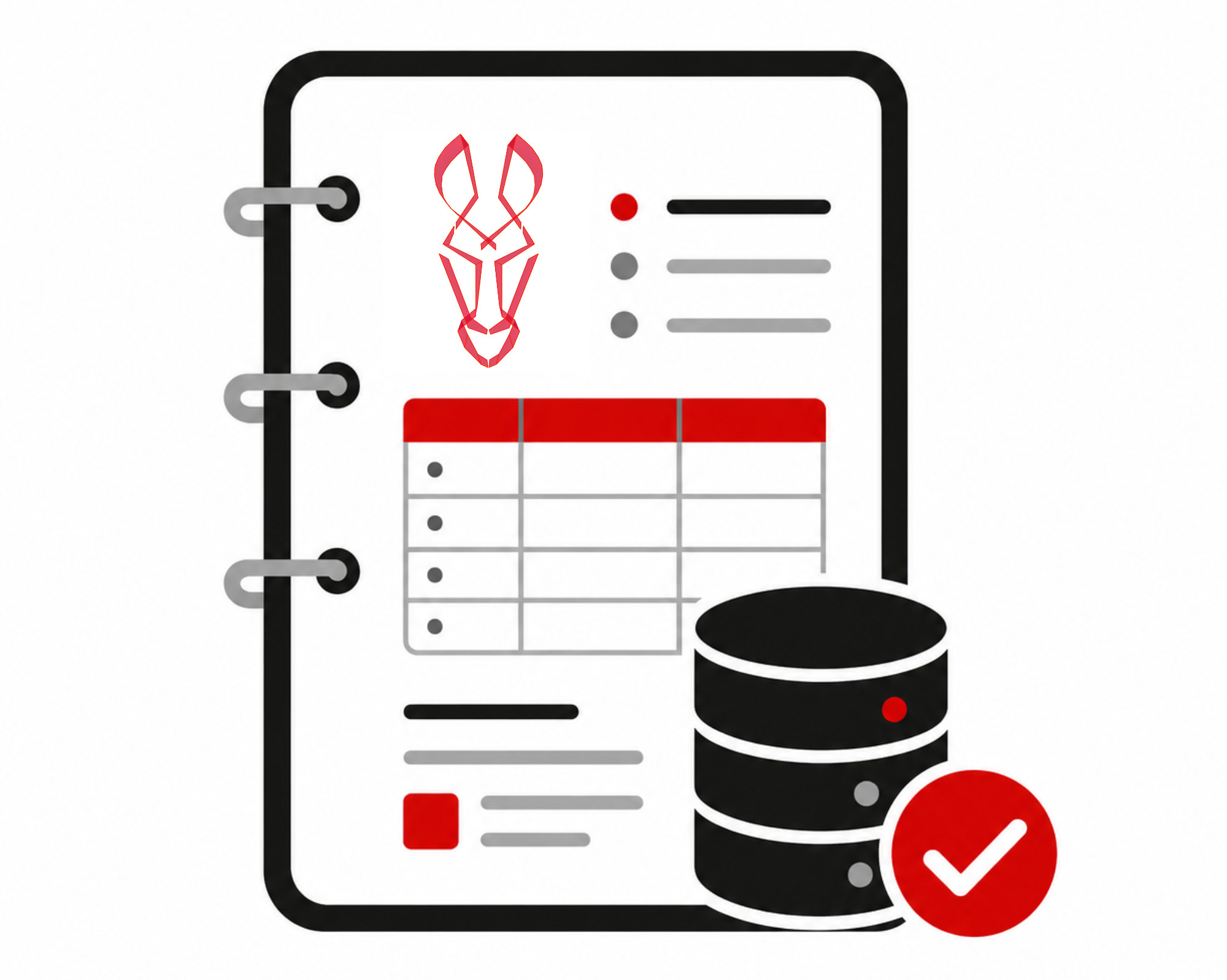
Document your experiments
labMule stores measurement data together with the information needed to understand and reproduce the experiment.
Device settings, workflow steps, metadata, file paths, and process information can be saved automatically, helping you keep your measurements organized and traceable.
Your instruments, integrated into one workflow
Many laboratories use instruments from different manufacturers that were never designed to work together. labMule helps bring them into one coordinated environment.
Existing device integrations can be reused and extended. New instruments can be added through custom device drivers tailored to your hardware, communication protocol, and measurement task.
Supported devices
The labMule device library contains drivers for commonly used laboratory instruments and is continuously extended for new setups.
Custom device integration
Do you use a device that is not yet supported? We can help integrate it into labMule and adapt the software to your specific workflow.
From device functions to complete experiments adapted to your lab
labMule is built around the idea that every instrument provides functions and that these functions can be combined into complete experimental procedures.
Typical automation tasks:
- Frequency scans
- Position-dependent measurements
- Magnetic-field-dependent measurements
- Temperature-dependent measurements
- Spectrometer control
- Camera-based acquisition
- Microscope automation
- Multi-device synchronization
Instead of starting from a blank script each time, labMule lets you build structured measurement routines from reusable building blocks.
Every laboratory has its own instruments, routines, and constraints. labMule can be adapted to your setup through custom device drivers, workflow modules, and application-specific extensions.
Whether you want to automate one device, connect several instruments, or build a complete measurement platform, labMule can be configured around your experimental requirements.
For specialized setups such as Brillouin light scattering spectrometry, view our application solutions
Structured data instead of scattered files
Automated measurements can quickly produce large numbers of files. labMule helps keep data organized by saving results together with the relevant experimental context.
This can include:
- Measurement data
- Device settings
- Workflow definitions
- Metadata
- File paths
The result is a measurement environment where data is easier to find, understand, compare, and reproduce.
Ready to automate your setup?
Tell us which instruments you use and what you want to measure. We will help you identify the right automation approach for your laboratory.